You have been asked for records. What to do
Last updated: August 27, 2026
Someone in your agency has asked you to supply records for a public records request. You have a Govflo account for exactly this, and you need very little of it.
What has happened
A member of the public has asked your agency for records, and a records officer has worked out that some of them may sit with you or your department. There is a statutory deadline attached, and it started when the request arrived rather than when you were asked.
How to find what you have been asked for
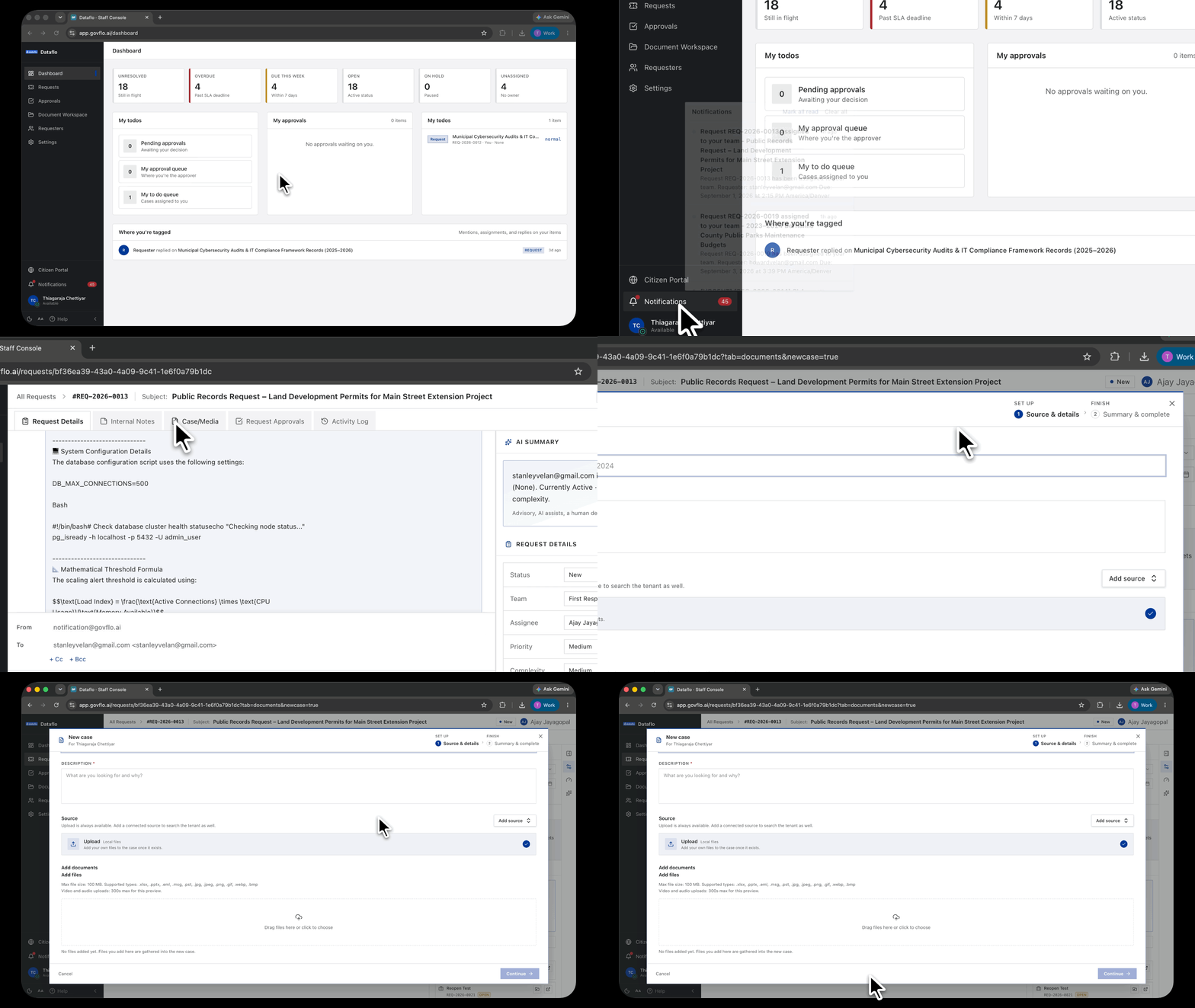
- Open Govflo. You will have had a notification, by email or in the bell in the sidebar.
- Go to Requests and open the request you were asked about.
- Read the requester's original message at the top of the thread. That is what is actually being asked for.
- Read the internal notes below it. The records officer will have said what they need from you specifically.
If it is not clear what is wanted from you, ask before you start gathering. A question costs a day; gathering the wrong thing costs a week.
What you will see, and what you will not
You see the same Govflo everyone else sees. There is no separate contributor view.
The request screen itself, tab by tab, is covered in Working a request.
Which areas appear depends on what your administrator has given your role. If you cannot see something described here, that is a permissions decision rather than a fault.
One thing worth knowing: if you can see the Requests area at all, you can generally see every request your agency holds, not only yours. Access is granted by area rather than by request. Work on what you were asked about.
What you are actually being asked to do
Three things, usually:
- Supply the records you hold that match what is being asked for.
- Say so if you have none. This is a real answer and it matters. See the article on no responsive records.
- Answer a question about what you hold, if the officer needs to narrow the search.
You are not being asked to decide what gets released, to redact anything, or to judge whether an exemption applies. That is the records officer's job and it happens after you hand things over.
Give the officer everything, not the filtered version
Hand over what matches the request, including anything you think will be withheld.
The decision about what is released is made later, by someone whose job it is, and it is recorded. A record you quietly leave out is not a record that was withheld; it is a record that was never considered, and that is the failure that surfaces badly later.