Denying a request
Last updated: August 27, 2026
Refusing a request is a statutory act, not an administrative one. It creates rights for the requester and exposure for your agency, so it is worth doing carefully and recording fully.
How to deny a request
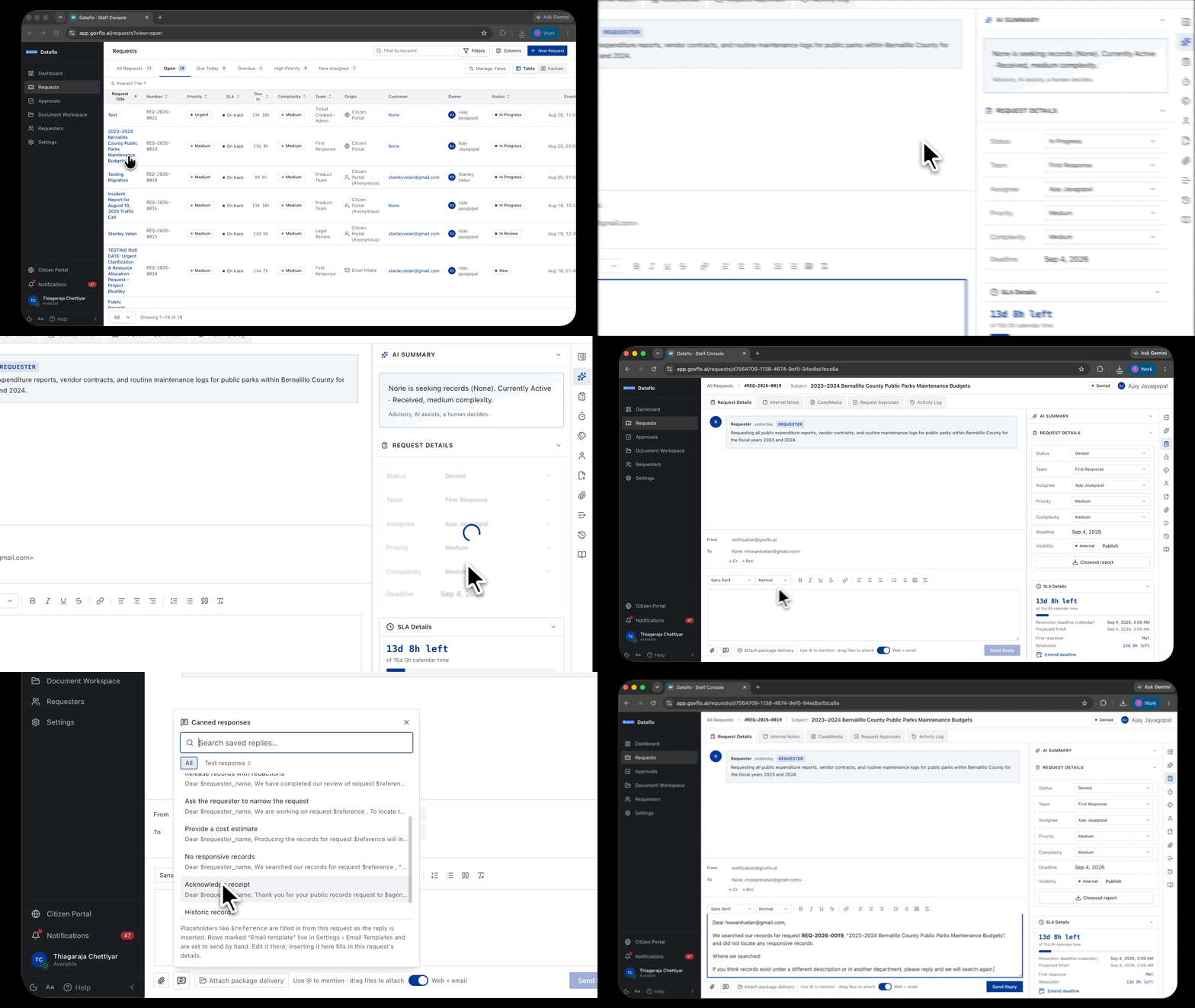
- Open the request.
- Write your reply. Use Insert a canned response to bring in your agency's refusal wording rather than composing it fresh.
- State the specific basis for withholding, and which records it applies to.
- Include whatever appeal or review route your statute provides.
- Send the reply.
- In the right rail, set Status to Denied.
- Record your reasoning in an Internal note.
Send the explanation before you change the status. A requester who receives a status change with no letter has been refused without being told why.
Denied is a decision, not a lock
Denied is where a refused request comes to rest, and the status field stays editable, so a denial can be moved back to an open status if the decision changes.
Treat that as a repair mechanism rather than a routine step. A denial is a legal determination communicated to a requester, and the audit log keeps every status change, so reversing one is visible and should be explainable. Get the decision right before you set it.
Partial refusals are not denials
Where you are releasing some records and withholding others, that is a release with redactions and exemptions, not a denial. Close it as you would any other request.
Reserve Denied for a request refused in whole. Using it for partial releases makes your reporting wrong and makes the record misleading to anyone reading it later.
What the reply has to carry
Your statute sets this, not Govflo. Most public records laws require a refusal in writing, stating the specific exception relied on, so the requester can challenge it if they disagree.
That is why the wording belongs in a canned response rather than being typed each time. A refusal composed under deadline pressure is where an agency omits the statutory basis, and the omission is what an appeal turns on.
Record why, not just what
The reply tells the requester the basis. The internal note tells your successor and your counsel the reasoning: what you searched, what you found, why the exception applies to these records.
That note is the difference between a defensible refusal and one nobody can account for two years later. Write it while the reasoning is fresh.
Govflo does not decide this
The product records the decision and the basis you cite. It does not determine whether an exemption applies, and it will not tell you whether a refusal is sound.
That judgment is yours, and the audit log shows it was yours.